I have been feeding the foxes in the garden all year. The first usually arrives soon after dark, before 5 o'clock at this time of year. Mostly they get peanuts unless there is a squirrel or something else tasty available. I don't often put out the trail cameras but the foxes don't seem to mind when I do.
We had some snow in March which improved the lighting and meant I could photograph the foxes with a normal camera. Both these are frame grabs from video.
This year I had my first cub visiting the garden. In high summer he, and the others, would arrive before dark, again allowing a few photos with a proper camera.
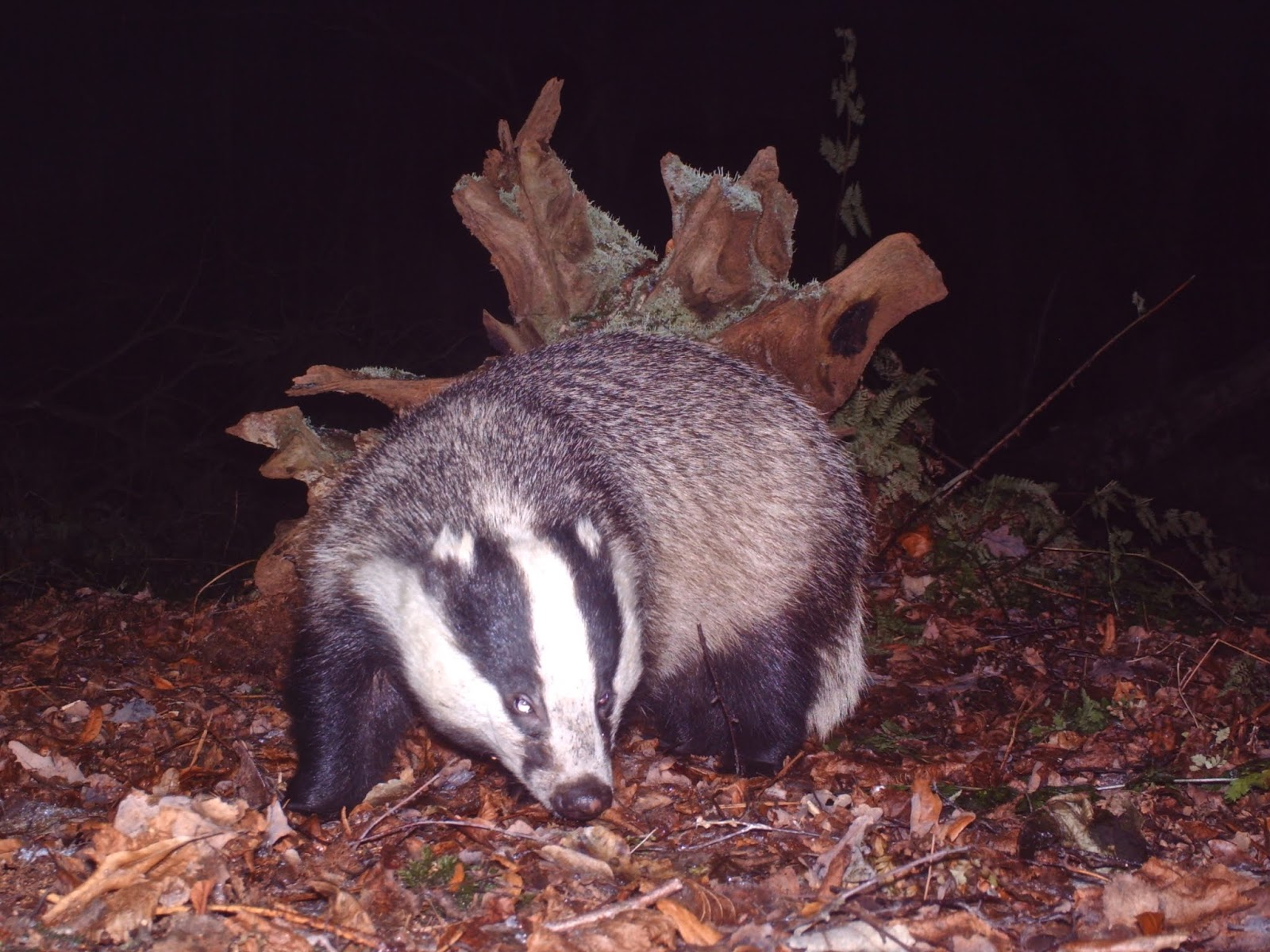
Badgers in the nearby woods have been a bit elusive this year. I have had many blank nights with the cameras but every now and then I strike lucky.
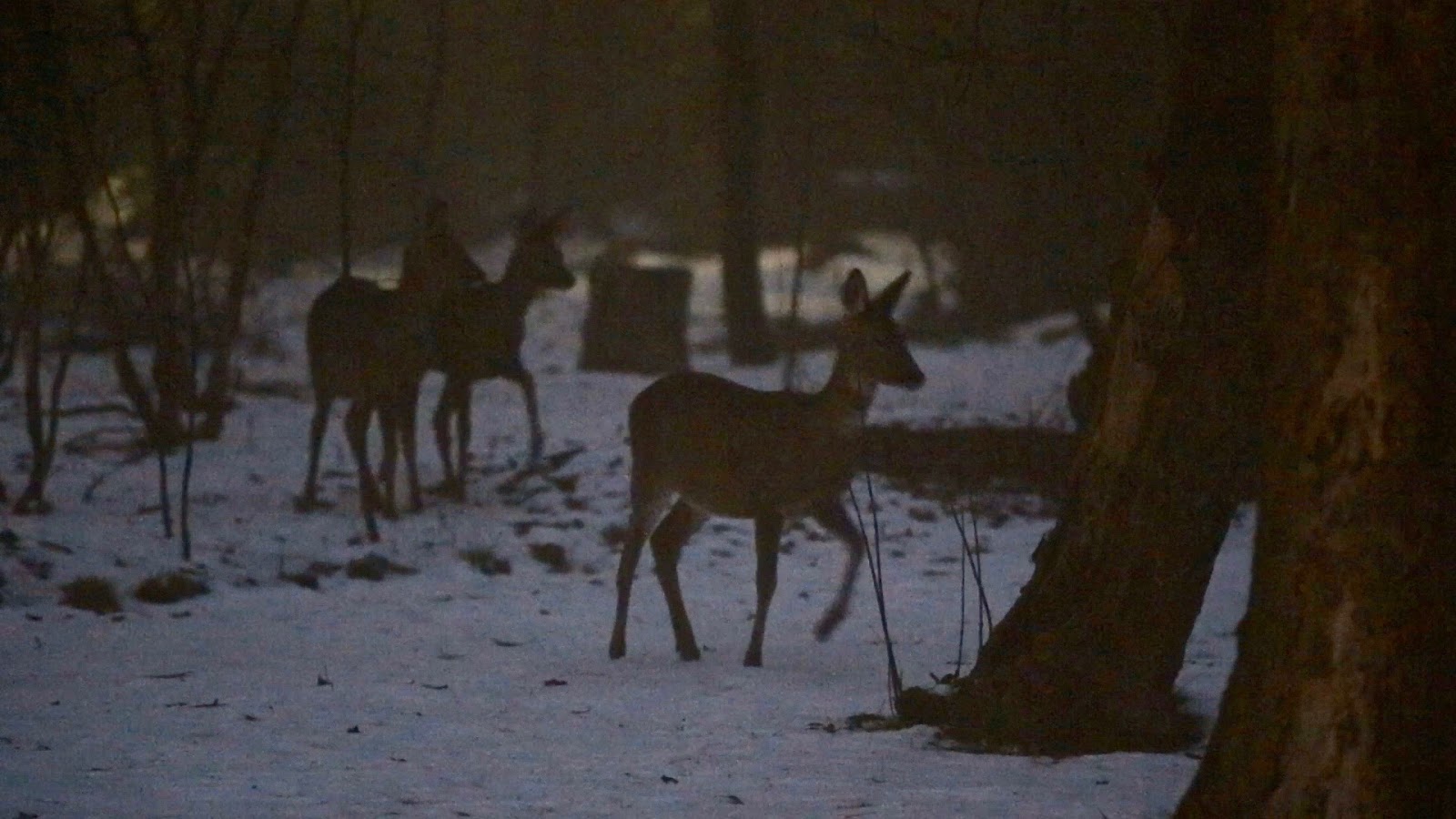
I had roe deer in the garden for the first time when I left the gate open for them in February. They usually eat the ivy from the outside of the fence each winter, when there is nothing else left to eat, so I let them in to eat the ivy inside and was rewarded with these photos.
In May I saw my first newborn roe deer fawn in the woods nearby. It was so young it could barely stand so I took a couple of photos and left it in peace.
Red squirrels are still hanging on locally, despite the relentless advance of the American greys. This one was in County Durham.
And best of all, this one was in Gosforth Park Nature Reserve, only a mile from here.
I have seen hares regularly at my local pond when looking for dragonflies this year but I never managed a photo. This one was in Northumberland in the spring when I was looking for adders. A bonus.
I reckon I have seen more migrant hawkers this week than in the rest of my life.
They were sheltering from the wind on the sunny side of a hedge at up to 5 per sq metre but I couldn't get them all in one photo.
I wish I knew where the female migrant hawkers hang out - it isn't anywhere nearby as far as I can see. At least the female southern hawkers are a bit more sociable. This one was hunting near the water and stopping from time to time to have her photo taken.
It intrigues me how often the male southern hawkers rest on dock (Rumex) seed heads. It may be that they like the texture but I suspect they have a well developed dress sense and appreciate how the dark red sets off their lime green and sky blue colours.
Common darters are still the most numerous dragonflies.
Ruddy darter numbers are dwindling.
Common blue damselflies are no longer common but there are still one or two males around.
Male emerald damselflies develop a coppery patina as they age. I haven't seen females this week.
Most of the butterflies now are speckled woods but I did see a male common blue.
It must have been on a favoured perch because this small copper chased it off and immediately replaced it.
I made the final bumblebee walk of the year for the Bumblebee Conservation Trust. I saw only a few bees and all were common carders (Bombus pascuorum).
On several occasions this year I have flushed a brown hare as I walked around and I did so again. It ran off but stopped at a safe distance to see what I was up to. It then decided I was up to no good and lolloped away.
When it had gone I investigated where it had appeared from and found its hiding place (known as a form). It looks well used so I'll have to watch out for it next time.
All these photos were taken earlier in the week before the storm and the later cooler and wetter weather. Now the autumn equinox is here it will be interesting to see what changes occur. My plan is to keep going until the end of the dragonflies' season.
It is perhaps a bit strange how everyone gets more excited about seeing a hare than a rabbit. I suppose it is because hares are less common and they have that mystical magic about them. And rabbits don't look you in the eye.
My latest visit to Banks' Pond gave my best view yet of a female emperor dragonfly (Anax imperator). When I first saw her she was ovipositing on the pondweed out in the middle of the pond. I watched and willed her to come closer but after a few minutes she went off zooming around to catch something to eat. After a few minutes, however, she returned and landed less than 5m away. I was wearing wellies so I could wade into the reeds to get even closer and watch for several minutes.
Several times she was approached by amorous but rather overoptimistic male azure damselflies.
The emperor's season is almost at an end but other dragonflies are only just getting started. I saw my first common hawker of the year. This one is a male. (Correction. It is a rare blue form female. See Alan's comments below.)
There were also lots of new common darters
and the first ruddy darter I have seen this year.
A good find was a male banded demoiselle, the third I have seen here but the first passable photo.
And to finish off a brown hare. Not quite as close as one I saw a year ago to the day but lovely to see.
So, quite a good morning and much more to look forward to as the summer progresses.