This is my final posting of favourites from 2015. It was a good year for watching owls. I saw both barn owl and short-eared owls flying in daylight but my only tawny owl shot isn't worth sharing. Long-eared and little owls are on my wish list for 2016.
I saw more yellowhammers than ever before. This one was at Branton in Northumberland.
Then a couple of LBJs (little brown jobs) - reed warbler and reed bunting.
And a little white job, a leucistic chaffinch.
Next a few fish-eaters from Gosforth Park.
This is the most endangered bird in Newcastle - a kittiwake. There is a proposal to put up netting to stop the birds nesting on the Tyne Bridge, which would be a tragedy. You can lodge an objection through a link here.
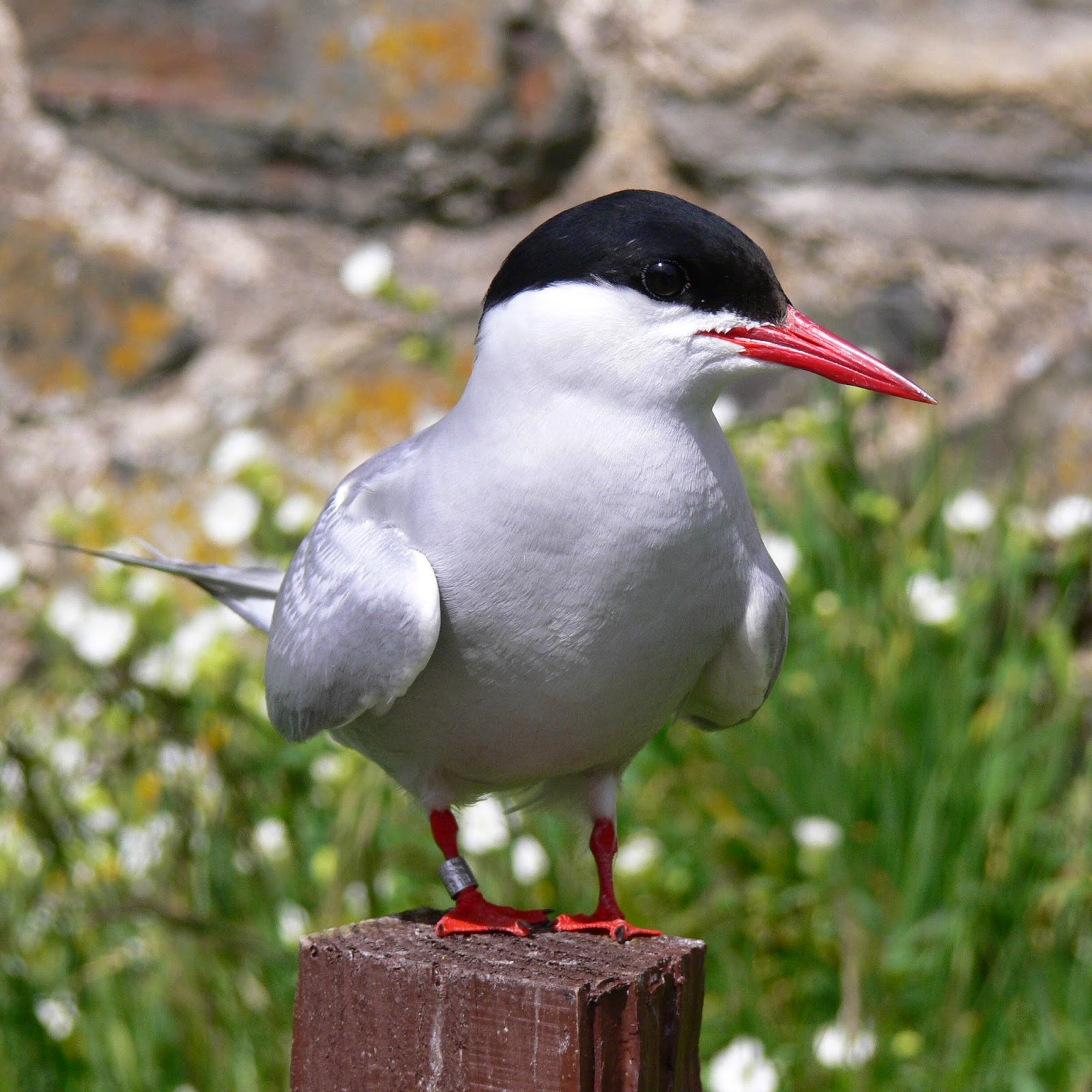
And finally a few favourites from the Farne Islands.
So, not a bad year. I'm looking forward to better photos and new species in 2016.
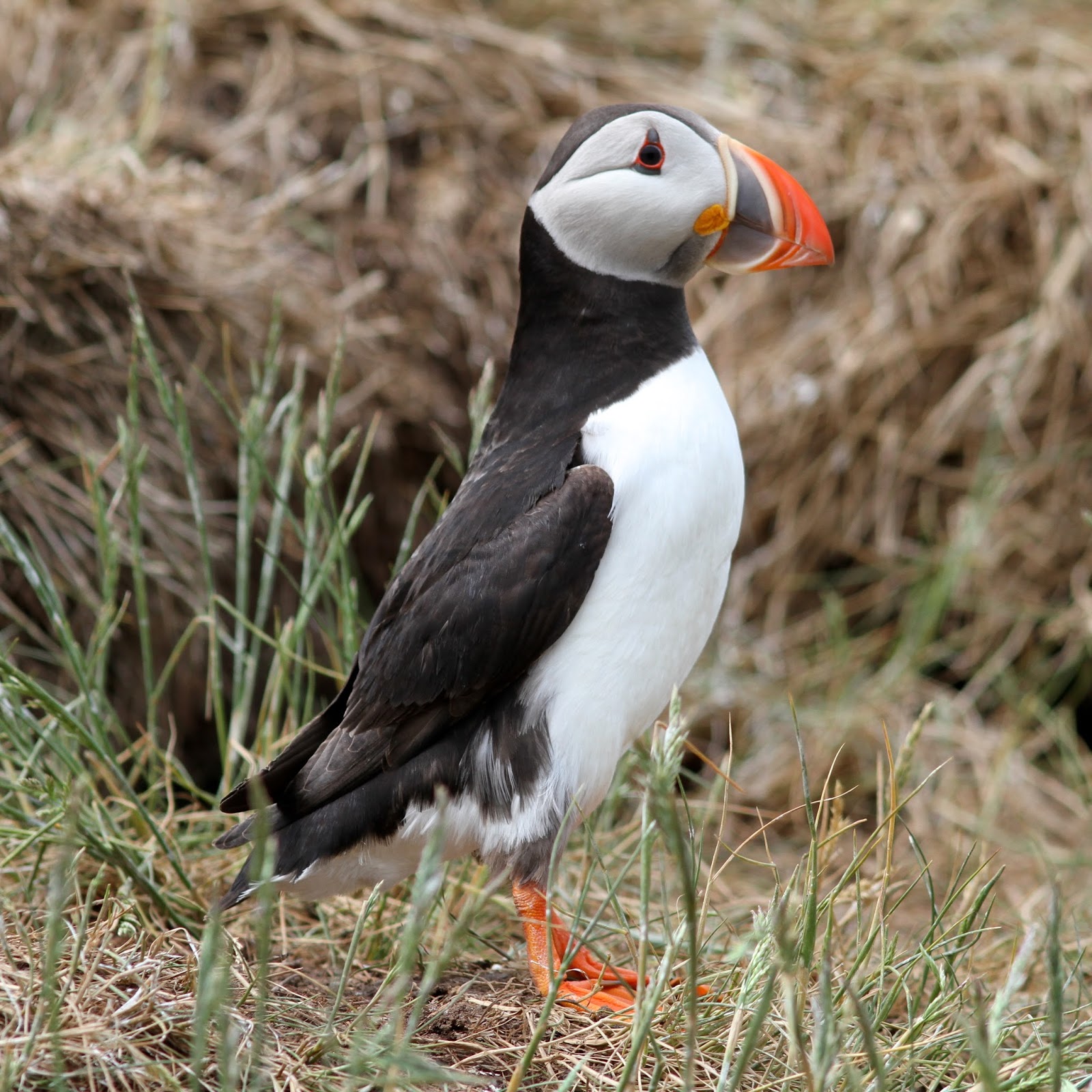
The puffin (Fratercula arctica) is everyone's favourite seabird. There are 40,000 pairs on the Farne Islands.
This one looks either happy or bored. The serrations inside the beak help it hold onto fish.
The puffin's favourite food is sand eels. The record number in one beakful is 83! Returning puffins fly back to land in groups to reduce the risk of attack from predatory gulls and skuas.
Puffins make their nests in burrows grouped in colonies. The female lays a single egg and on fledging the chick leaves the nest for the first time at night. It swims out to sea and does not return to land for two or three years.
Listen to the BBC Radio 4 Tweet of the Day on puffins here.