My Blog List
Saturday, 24 September 2016
Bird of the week - Little grebe
Little grebes are endearing birds that seem to be completely waterproof. I see them on most of the ponds and lakes I visit.
Little grebes dive to catch fish and molluscs such as this snail.
This year's youngsters are now full size but still have juvenile plumage.
The little grebe has about the same UK population size as the kingfisher (∼5000 pairs) but seems to me to be much more easily seen. Numbers have been fairly stable in recent years.
It is found in most parts of the British Isles.
The little grebe is also known as the dabchick although Thomas Bewick gave it four other names. William Shakespeare called it a dive-dapper. Bewick drew its feet (from a shot specimen) but I don't think I have ever seen one out of the water.
Bewick also wrote that it was found in America, although I can't find any evidence that it is now and it wasn't painted by John James Audubon.
This is its distribution according to Wikipedia.
The little grebe is Tachybaptus ruficollis, meaning red-necked fast-sinker. It has a variety of calls which you can hear here. Listen to Kate Humble's BBC Radio 4 Tweet of the Day on little grebes here.
Friday, 23 September 2016
Wednesday, 21 September 2016
Pheasant news
He disappears each July, presumably to moult. This summer he was gone for seven weeks - the longest period yet - and I thought he might not return. However, he did eventually turn up and even still had his tail feathers, although they fell out the next day. For a while he looked a bit like a rather scruffy exotic chicken although I wouldn't say that to his face.
While he was moulting he was keen on taking dust baths in the kitchen garden, presumably to get rid of the itching.
When you see him in this stance you can see how he might be descended from a Tyrannosaurus or Velociraptor.
Monday, 19 September 2016
BadgerCam
Since the last post of badger photos two weeks ago I have tried a couple of nights with the trail camera in the woods but both were blank. But now another success. Again the badger was facing the right way in nearly all of the photos. He must be getting the hang of it.
Saturday, 17 September 2016
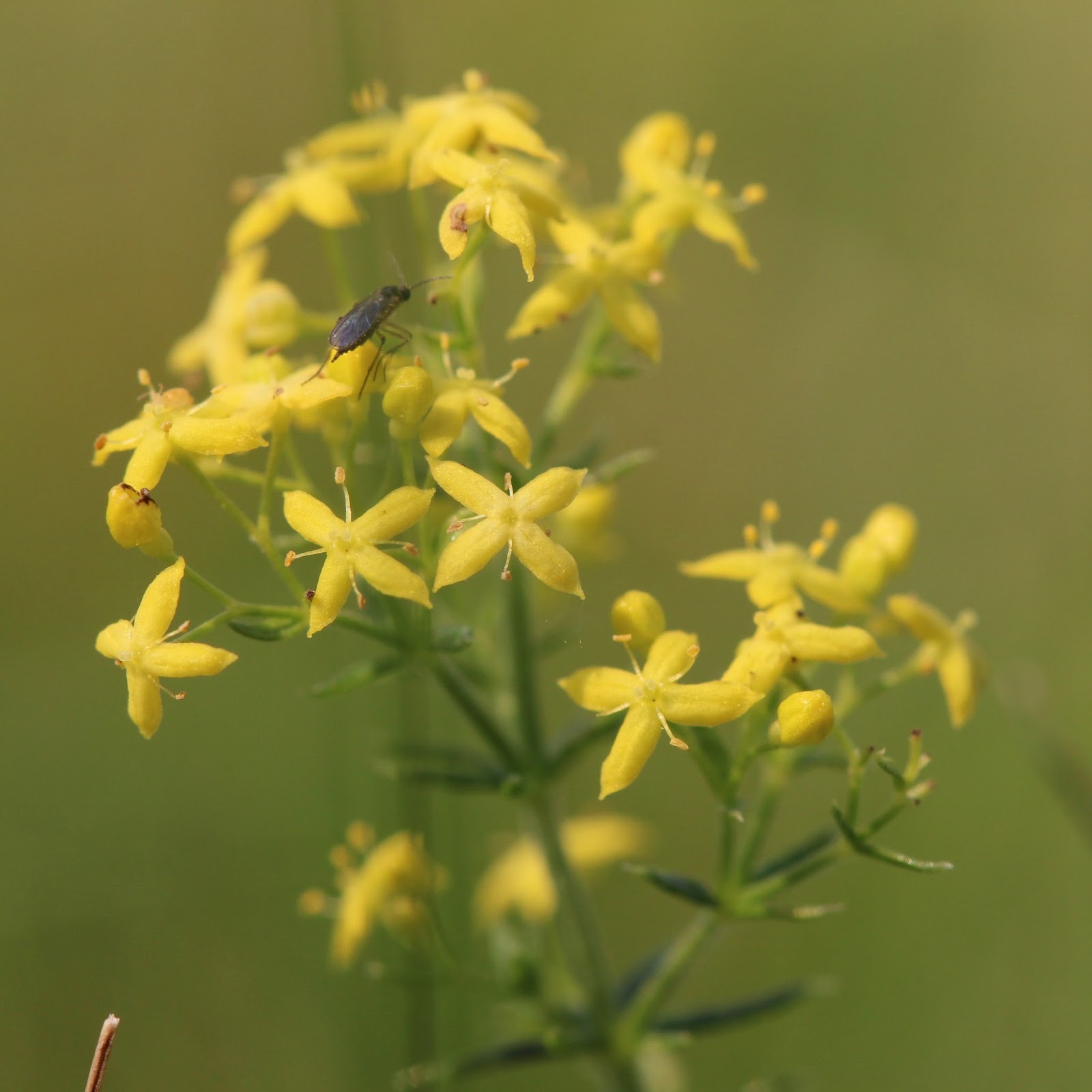
Mystery flowers
One of my aims for next year is to learn the names of more of our wild flowers. I know very few by name but the variety is amazing. These were all encountered on a short walk in the dunes at Druridge Bay this week. I think I can name about 20%.
Friday, 16 September 2016
Wednesday, 14 September 2016
Migrant hawker
The migrant hawker is the last of the three locally common blue hawkers to emerge. The others (southern hawker and common hawker) peak a bit earlier. This slightly battle-scarred male is the first I have seen close up this year. I think this dragonfly was named in the days when it was a rare migrant but it now breeds widely across England, although the local population is still boosted by migrants in autumn.
Subscribe to:
Posts (Atom)